Why EU Biopesticide Reform Is Urgent for Sustainable Agriculture
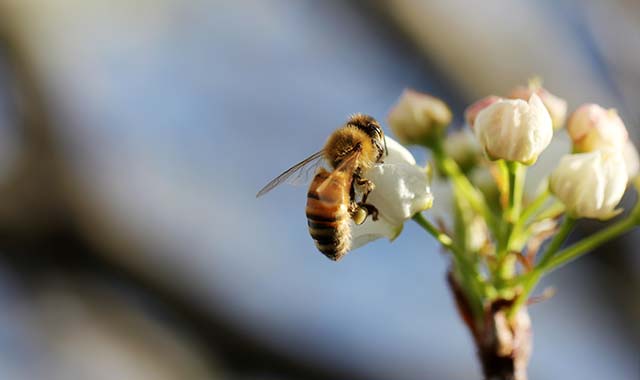
Europe’s agricultural sector is at a crossroads. As the EU intensifies its commitment to sustainable agriculture, the spotlight is on biocontrol technologies, innovative nature-based solutions that help farmers manage pests with minimal environmental impact. Yet outdated pesticide legislation is slowing their adoption. This blog explores why reforming the EU’s regulatory framework is essential to unlock innovation and support the transition to resilient, sustainable farming.
The Problem with Current Legislation
Regulation (EC) No. 1107/2009 was designed with chemical pesticides in mind. It applies the same stringent requirements to biopesticides and other biological solutions, resulting in a “one-size-fits-all” approach that creates significant barriers:
- Lengthy approval processes
- High regulatory costs
- Limited incentives for innovation, especially for small and medium-sized enterprises (SMEs)
Recent reviews, including the REFIT (Regulatory Fitness and Performance) exercise and the SAPEA (Science Advice for Policy by European Academies) report, have highlighted these issues. Despite growing demand for sustainable solutions, legislative attention to biocontrol has been minimal, with only minor amendments proposed.
Why Biocontrol Needs a Modern Definition
A clear, EU-wide definition of biocontrol that reflects the range of biocontrol products available is critical to ensure consistent regulation and support innovation. Biocontrol active substances are sustainable, efficacious alternatives that pose minimal risk to humans and the environment. They are central to integrated pest management (IPM) and the EU’s sustainability goals.
Categories of Biocontrol Active Substances:
- Microbials: Living or nonviable microorganisms such as fungi, bacteria, viruses and their metabolites.
- Semiochemicals: Substances used for communication between organisms, with target-specific, non-toxic modes of action.
- Natural Substances: Components sourced from nature, including plants, algae, animals, minerals, proteins or their nature-identical synthetic equivalents
- Blends: Combinations of the above, such as microbial consortia or plant extracts.
A modern, clear and adaptable definition will allow for faster authorization of new innovations and ensure the regulatory framework keeps pace with scientific progress.
Learning From Global Leaders
The United States Environmental Protection Agency (EPA) offers a successful model. Its dedicated biopesticide division uses a risk-based approach, completing reviews within a year and making significantly more biocontrol products available than the EU. Europe can learn from this to become a global leader in sustainable agriculture.
Related Blogs


BATTELLE UPDATES
Receive updates from Battelle for an all-access pass to the incredible work of Battelle researchers.