Exploring New Frontiers: Brain-Computer Interfaces and Neurotechnology at Battelle
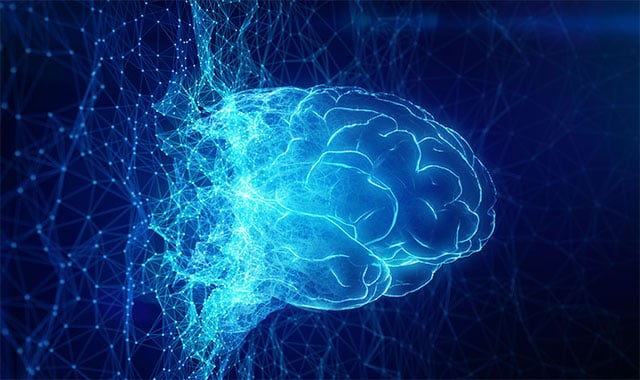
Restoring movement for people who live with paralysis has been a research imperative at Battelle since the early 2000s. Today this goal is closer than ever.
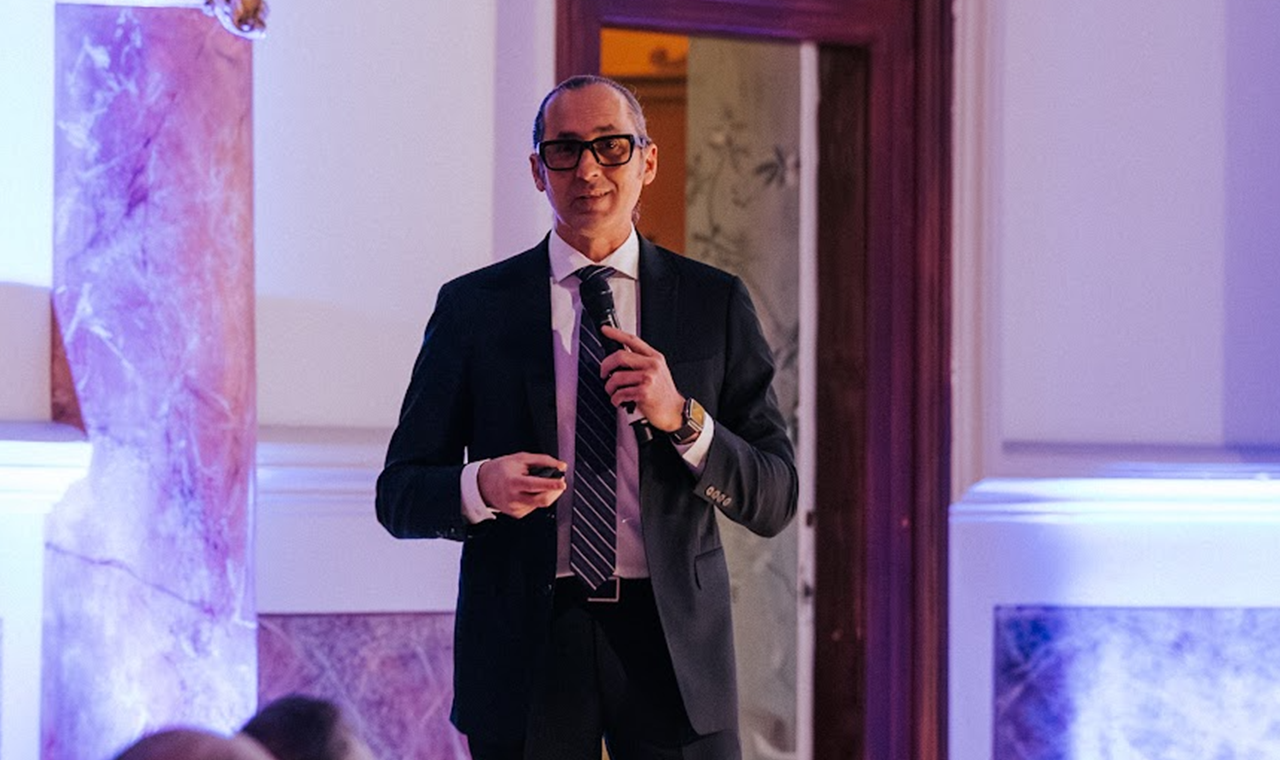
It’s a fascinating story—one told recently by David Friedenberg, a principal research scientist and statistician at Battelle who is on a team at the forefront of developing non-invasive methods to assist people with paralysis through neurotechnology. The work combines elements of statistics, neuroscience and engineering and focuses on harnessing even the faintest signals to restore movement without invasive procedures.
Friedenberg appeared on Miami University’s Stats + Stories podcast and discussed these advancements and the future of brain-computer interfaces (BCIs). His insights highlight the potential of neurotechnology to change lives and the ongoing efforts to make these devices more accessible and effective.
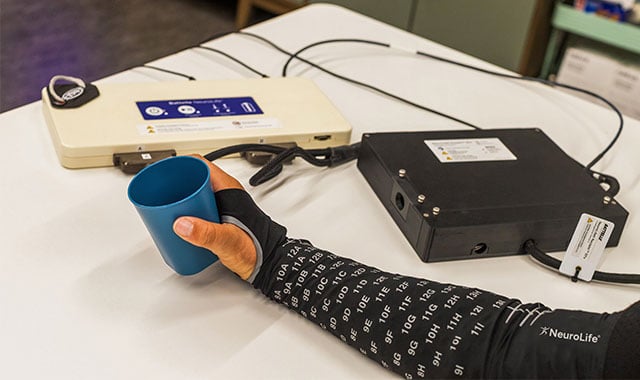
One of the most promising aspects of Battelle’s research involves using electromyography (EMG) to detect intentions to move from muscle activity on the arm's surface. This innovative approach captures the weak neural signals that can still be present despite significant spinal injuries. By amplifying these signals with a unique sleeve invented at Battelle, the technology is investigating a non-invasive route to assist movement, significantly lowering the risks and barriers associated with more traditional, invasive BCIs.
Traditionally, BCIs involve placing electrodes on the brain to capture electrical signals generated, for instance when a person thinks about moving. Battelle teams pioneered decoding these signals using algorithms to interpret the user's intentions, which can be used to control external devices such as robotic arms or to stimulate muscles directly with Battelle’s NeuroLife® wearable sleeve.
A key figure in advancing this research is Ian Burkhart, a young man who lives with paralysis following a diving accident. Burkhart had a BCI device implanted at Ohio State University in 2014 and during the next several years, his participation in experiments demonstrated that it is possible to regain control over hand movements that were impaired by paralysis, providing both immediate functional benefits and insights into potential long-term neurological improvements.
The continuing progress on this research is a product of a diverse group of scientists, therapists, engineers, and data scientists. Together, they address the scientific challenges and ethical considerations inherent in working with such sensitive technology. Privacy concerns, particularly regarding the handling of brain data and all research is conducted with strict adherence to regulatory standards.
Friedenberg is optimistic about the potential of BCIs to improve the quality of life for individuals with mobility impairments. However, he remains grounded in the realities of scientific research, in which progress is often incremental. The goal is to develop practical, safe, and effective technologies that can one day be used routinely.
Looking ahead, Friedenberg and his team at Battelle are exploring non-invasive methods to harness the brain's intent to move limbs without the need for surgery. This involves using electromyography (EMG) to capture electrical activity from the surface of the arm, which can then be used to stimulate movement. This approach eliminates the risks and costs associated with surgical implants and may lead to new possibilities for rehabilitation and recovery.
Friedenberg's work at Battelle is a blend of innovation and practical application, driven by the goal of making meaningful improvements in medical technology. While the journey is complex and full of challenges, the potential to positively impact lives provides a compelling motivation to continue pushing the boundaries of what is currently possible.
As research progresses, Friedenberg and his team remain committed to exploring the intersections of technology and human capability, always mindful of the ethical dimensions and focused on the ultimate goal of enhancing human health and independence.
If you are interested in participating the team’s ongoing clinical trial for individuals with spinal cord injury you can find more information at: Study Details | A User-friendly, Non-invasive Neuro-orthosis That Restores Volitionally Controlled Grasp Functions for SCI Survivors With Tetraplegia | ClinicalTrials.gov
Related Blogs
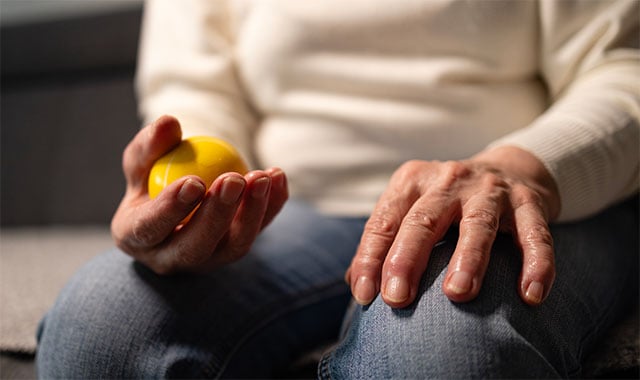
Rehabilitation Beyond the Clinic: How Autonomous Vagus Nerve Stimulation (VNS) Could Accelerate Stroke Recovery
Read More


BATTELLE UPDATES
Receive updates from Battelle for an all-access pass to the incredible work of Battelle researchers.