From Hospital Tools to Home Essentials: Reimagining Medical Devices for the Hospital at Home

As the hospital-at-home (HaH) movement gains momentum, we’re witnessing a transformation in how and where care is delivered. Medical devices, once exclusive to hospitals are now being adapted for home use. This shift is driven by advances in technology and a deeper understanding of how real people interact with these devices. At Battelle, we’re helping to reengineer devices for use by patients and their caregivers.
In today’s blog, we’ll explore devices we’re seeing move into the home, the advances enabling their evolution, and the key considerations when translating a device for at-home use.
Monitoring Devices
Monitoring tools like blood pressure monitors, pulse oximeters, and wearable heart rate trackers are now everyday essentials. Thanks to advances in technology—think smaller devices, wireless connections, and instant data sharing—patients and their care teams can keep a close eye on vital signs without setting foot in a clinic.
Today’s wearables do more than just track a single metric. Many can continuously monitor heart rate, breathing, oxygen levels, and temperature, sending updates directly to healthcare providers through Bluetooth or cellular networks. This real-time connection means clinicians can spot changes early and intervene when needed, while patients enjoy more freedom and control over their care.
Diagnostic Tools
The landscape of at-home diagnostic testing has shifted dramatically, especially in recent years. Today, tests are available for everything from strep throat and UTIs to cholesterol and sleep disorders.
What makes these tools so effective at home? Their user-friendly design. Clear, visual instructions, intuitive packaging, and thoughtful features—such as color-coded parts and visual cues—make correct use simple. As these diagnostics become more common, they are also being integrated with telehealth services, allowing patients to share results and receive professional advice from their homes.
Drug Delivery Systems
While pills and inhalers are commonplace, more complex treatments—like injections or IV infusions—have traditionally required an in-person visit. New generations of drug delivery devices are designed specifically for home use, making advanced therapies more manageable for patients and caregivers.
Wearable insulin pumps, on-body injectors for specialty medications, and connected infusion systems are just a few examples. These devices often come with pre-filled cartridges, preset dosing, and built-in safety features to help prevent user errors. Many also pair with apps that track doses, send reminders, and alert users or care teams if something’s off.
Rehabilitation and Mobility Support
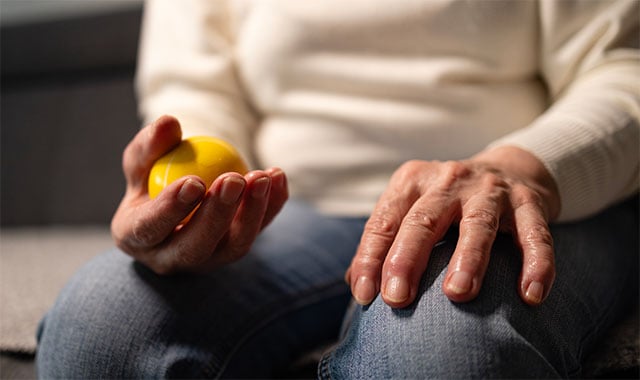
Recovery doesn’t stop when a patient leaves the hospital. For those healing from surgery, stroke, or injury, ongoing physical and occupational therapy is key—but getting to appointments isn’t always easy. That’s where at-home rehab technology comes in.
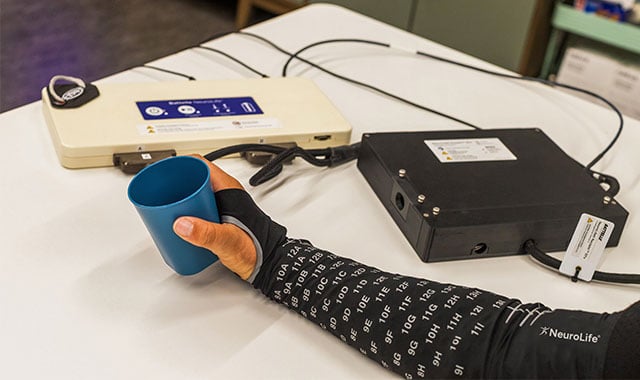
Digital rehab platforms can now use wearable sensors, motion tracking, and interactive routines to guide patients through personalized exercises. These systems offer real-time feedback and can be monitored remotely by therapists, making it easier for patients to stay motivated and on track.
Transitioning Devices to the Home
Tools once built for expert hands need to be straightforward, reliable, and user-friendly for patients, family members, and in-home caregivers. Designing these devices for home settings is key to ensuring safe and effective care outside the traditional clinical environment. Here are some strategies we believe are crucial for designing a device intended for home use:
- Simplicity and Usability: Devices must be easy to operate, with clear instructions and intuitive interfaces for non-experts can use them confidently.
- Safety: Built-in safeguards are essential to prevent misuse, especially when clinical supervision isn’t available.
- Support and Connectivity: Integration with telehealth platforms and companion apps can provide real-time guidance, reminders, and data sharing with care teams.
- Adaptability: Devices should be designed for use in varied home environments, accounting for space, lighting, and user mobility.
- Human-Centric Design: Solutions must address the needs, limitations, and preferences of patients and caregivers, preserving dignity and independence.
The hospital-at-home movement is more than a change in location—it’s a reimagining of care itself. As more treatments move into the home, the technologies that support them must be designed for real people in real environments. At Battelle, our Human Centric Design team is leading the way, combining expertise in usability, engineering, and systems integration to create medical technologies that are truly home-ready. From drug delivery platforms to neurotech and assistive devices, we’re committed to designing solutions that work where they’re needed most: in the real world.
Related Blogs
Rehabilitation Beyond the Clinic: How Autonomous Vagus Nerve Stimulation (VNS) Could Accelerate Stroke Recovery
Read More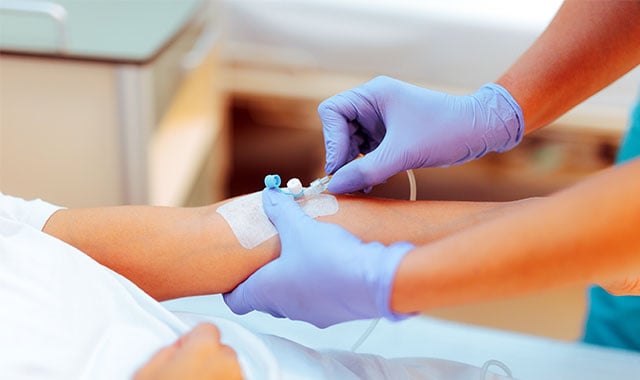



BATTELLE UPDATES
Receive updates from Battelle for an all-access pass to the incredible work of Battelle researchers.