Leadership, Mission and Safety Without Compromise
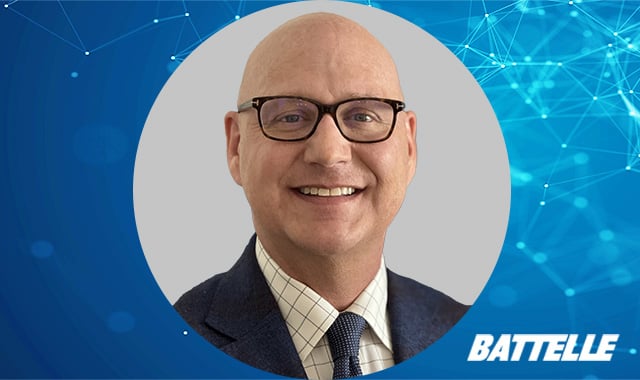
Tom Reeves on Leadership, Risk and Building a Culture Where Life Matters Most
Too often, workplace safety is defined by rules, procedures and compliance metrics. Tom Reeves believes that misses the point. The strongest safety cultures aren't built through policies alone. They're built through leadership.
For Reeves, safety starts with something more fundamental: people.
"At its core, safety is about caring for one another," he says. "The goal isn't simply to prevent incidents. It's to create the conditions where people can do meaningful work, return home safely and live fulfilling lives."
As Battelle's leader for Environmental Safety & Health (ES&H), Reeves has spent decades helping organizations strengthen performance, develop leaders and manage risk. Along the way, he has learned that lasting safety excellence depends on trust, shared responsibility and a genuine commitment to one another's well-being.
Safety Is Leadership
Early in his career, mentors challenged Reeves to look beyond safety programs and focus on the human and organizational factors that drive performance. Those experiences shaped a belief that still guides him today: safety is not simply about compliance; it is about leadership.
When leaders invest in people, build trust and strengthen the capability to recognize and manage risk, safety becomes a natural outcome rather than a separate initiative.
For Reeves, leadership and safety cannot be separated. Leaders shape culture. Culture shapes behavior. Behavior shapes outcomes.
The best safety cultures are built on three foundations:
- People genuinely care for one another.
- Leaders create the conditions for success.
- Teams have the capability to recognize and manage risk.
When those elements come together, safety stops being a separate initiative and becomes part of how work gets done.
Mission First. Safety Always.
When Reeves joined Battelle, he found an organization deeply committed to both mission and people. That commitment is reflected in a simple belief of ‘Mission First. Safety Always.’
For Reeves, the phrase isn't a choice between mission and safety. It's a recognition that the two are inseparable.
"The missions we support matter enormously," he says. "But mission success is only possible when we create the conditions for people to do their best work safely. Safety enables the mission."
Rather than viewing safety as separate from operational excellence, Reeves sees it as a critical enabler of success. Organizations perform best when people can recognize risk, communicate openly and support one another.
Reeves is quick to emphasize that this work is not about one leader or one function. It depends on scientists, technicians, project leaders, facility teams and support professionals choosing every day to look out for one another. Safety culture is built through thousands of decisions, conversations and actions that reinforce a shared commitment to keeping each other safe.
Building Capability and Preventing Harm
Battelle's safety approach focuses on three interconnected priorities: living the culture, building capability and strengthening risk systems.
Living the culture means making safety a priority. Reeves believes safety becomes most powerful when people connect it to what matters most such as their families, teammates and communities.
Reeves points out that "when safety is personal, it becomes powerful."
Building capability means helping people recognize hazards, anticipate risks and make sound decisions before incidents occur. Safety excellence isn't simply about following procedures; it's about developing the judgment and awareness to prevent harm before it happens.
Strong systems support that effort. Processes, safeguards and practical tools help create multiple layers of protection that reduce risk and support better decision-making throughout the organization.
One example is the Energy Wheel, an energy-based hazard recognition tool that helps employees identify potential sources of risk before work begins.
"It's a tool that helps people see risk more consistently," Reeves says. "The goal is to make hazard recognition intuitive and actionable."
The Future of Safety
Looking ahead, Reeves sees opportunities to strengthen safety through the integration of people, processes and technology.
Digital tools and analytics can help organizations identify patterns, improve decision-making and strengthen risk management. But regardless of how advanced technology becomes, Reeves believes the most important element remains unchanged.
"Technology can help us identify patterns, analyze data and improve processes," he says. "But safety still comes down to people making choices, looking out for each other and creating environments where everyone can thrive."
The future of safety may increasingly blend human judgment with digital enablement, but its purpose will remain the same: protecting people so they can perform meaningful work with confidence.
Why It Matters
For Reeves, the importance of safety is deeply personal.
Over the course of his career, he has seen the devastating impact workplace incidents can have on individuals, families and communities. Those experiences reinforced a lesson he carries with him today: leaders have a responsibility to create the conditions for people to succeed safely.
"We have an obligation to ensure people can do meaningful work and return home to the people who matter most."
That responsibility is what drives his passion for safety, not as a requirement, but as a reflection of care, respect and leadership.
A Challenge for Every Leader
Reeves' message extends beyond safety professionals. It applies to anyone responsible for leading people and advancing a mission.
Safety is more than risk management. It is an act of leadership.
Whether you're a scientist, technician, professional, manager or executive, the true measure of success is not simply what we accomplish, but how we protect and support one another along the way.
For Reeves, it begins with a simple question:
Why do you work safely?
The answer may be your family. It may be your teammates. It may be the responsibility you've been entrusted to carry.
"We have an obligation to ensure people can do meaningful work and return home to the people who matter most."
At its core, safety is about care, accountability and the choices we make every day.
Mission First. Safety Always.
Safety enables success. Every person at Battelle plays a role in creating an environment where people can contribute their talents, pursue meaningful missions and return home safely.
Find your "why," remember who and what you've been entrusted to care for, and let that guide how you lead.
Related Blogs

BATTELLE UPDATES
Receive updates from Battelle for an all-access pass to the incredible work of Battelle researchers.