When “Low Risk” Doesn’t Mean Low Risk: The Cybersecurity Challenge in Medical Devices
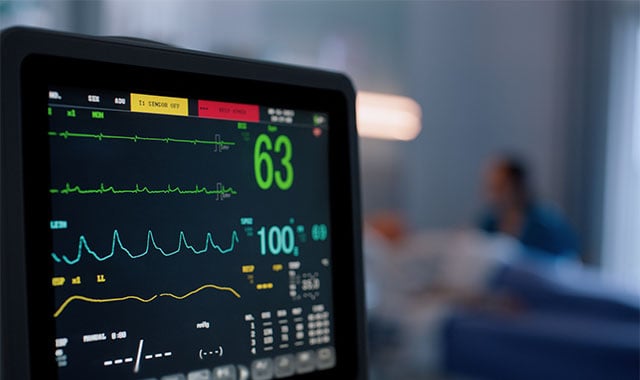
Imagine two medical devices. One is a Class III implantable device that helps keep a patient alive. The other is a relatively simple Class I sensor that collects health information and sends it to a cloud platform.
Which one presents the greater cybersecurity risk?
The answer might surprise you. While the implantable device carries far greater clinical risk, the connected sensor could be more vulnerable to cyberattack. Its wireless connections, software dependencies and data-sharing capabilities may create more opportunities for hackers to gain access.
It's a distinction that matters more than ever as medical devices become increasingly connected. And it's one that Battelle's medical device experts help manufacturers navigate every day.
Two Very Different Kinds of Risk
The FDA classifies medical devices into three categories based on their inherent clinical risk: Class I (low), Class II (moderate) or Class III (high). These classifications determine the regulatory controls and review processes required to bring a device to market.
But clinical risk and cybersecurity risk are two different things.
A device's clinical classification tells us something about the potential consequences if it malfunctions. It doesn't necessarily tell us how vulnerable that device is to a cyberattack.
For example, a Class I device that connects to hospital networks, communicates with mobile applications or transmits protected health information (PHI) may create significant cybersecurity exposure. Meanwhile, a Class III device with limited connectivity could have fewer potential entry points for an attacker.
That doesn't mean cybersecurity is less important for the Class III device. If an attacker could compromise its performance or interrupt therapy, the consequences could be devastating.
The key distinction is that device classification may influence the consequences of a cyberattack, but it doesn't determine how likely a device is to be compromised.
What Really Makes a Device Vulnerable?
To understand cybersecurity risk, manufacturers have to look beyond the device itself and consider the entire digital environment in which it operates.
Every connection creates a potential pathway for attack. That includes wireless interfaces, cloud platforms, mobile applications and integrations with electronic health records. Vulnerabilities can also come from third-party software components, outdated libraries or systems that cannot be easily updated.
Cybersecurity risk assessment therefore starts with two fundamental questions:
- How easily could a vulnerability be exploited? This involves examining the device's connectivity, software architecture, access controls and other characteristics that might give an attacker a way in.
- What could happen if an attack succeeds? The answer might involve unauthorized disclosure of patient information, corrupted data, disrupted treatment or changes to device performance.
These questions require different types of analysis. Standard cybersecurity tools, such as the Common Vulnerability Scoring System (CVSS), can help evaluate technical vulnerabilities. But they don't capture the full potential for patient harm.
That's why medical device cybersecurity assessments must connect technical security risks with clinical risk management. A vulnerability that seems relatively minor from an IT perspective could have serious consequences if it affects a device's essential performance or influences a clinical decision.
Medical Device Cybersecurity Is Now a Lifecycle Responsibility
Cybersecurity is no longer something medical device manufacturers can address at the end of product development.
FDA's updated cybersecurity guidance reinforces expectations for secure design, vulnerability management, software transparency and cybersecurity testing. Requirements under Section 524B of the Federal Food, Drug, and Cosmetic Act also place specific cybersecurity obligations on manufacturers of devices that meet the statutory definition of a cyber device.
For manufacturers, that means looking at cybersecurity throughout the product lifecycle, from early design decisions through deployment, maintenance and eventual retirement.
Some of the most important considerations include understanding how devices exchange data, identifying vulnerabilities in third-party software, building in secure update capabilities and planning how emerging threats will be addressed after a device reaches the market.
These challenges are particularly important as more medical technology moves beyond hospitals into homes and other care settings, where manufacturers have less control over networks, connected systems and user environments.
Building Trust in the Future of Connected Medical Devices
Medical device cybersecurity is not simply an IT problem. It's an engineering, clinical safety and regulatory challenge that requires a multidisciplinary approach.
At Battelle, medical device development expertise and cybersecurity capabilities come together to help manufacturers evaluate risk across connected systems, understand potential patient safety implications and incorporate security into product design.
That includes looking beyond individual vulnerabilities to understand how devices interact with software, networks, cloud services and clinical environments. By addressing these considerations early, manufacturers can make better design decisions, prepare stronger regulatory submissions and reduce the likelihood of costly security problems later.
As connected technologies transform healthcare, the distinction between clinical risk and cybersecurity risk will only become more important. The next generation of care will increasingly depend on information moving seamlessly and securely between devices, clinicians and patients, often well beyond hospital walls. That connectivity holds tremendous promise for earlier interventions, more personalized treatment and greater access to care. Realizing that promise will depend on something more fundamental than technology alone: the confidence of patients and healthcare providers in the systems on which their care depends.
Building a safer, more connected future for healthcare starts with asking the right questions. Connect with Battelle's medical device experts to explore how a smarter approach to cybersecurity can help turn the promise of connected care into reality.
For more insights or related content, visit Medical Devices at Battelle. Our medical device experts are ready to help you explore innovative approaches and answer any questions you may have.
Related Blogs



Rehabilitation Beyond the Clinic: How Autonomous Vagus Nerve Stimulation (VNS) Could Accelerate Stroke Recovery
Read More



BATTELLE UPDATES
Receive updates from Battelle for an all-access pass to the incredible work of Battelle researchers.