4 Key Drivers of the AFFF Phase-Out
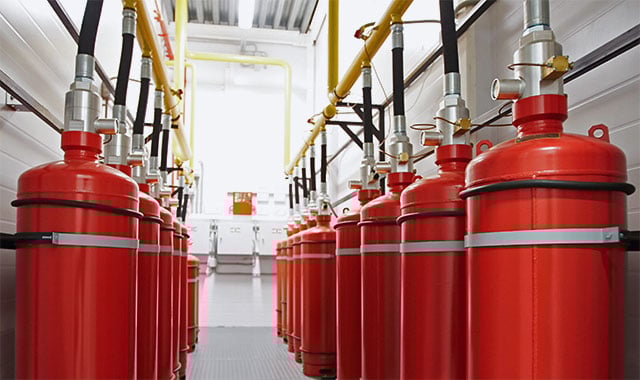
The AFFF phase-out is gaining momentum across the U.S., and industrial operators can’t afford to ignore the shift. What’s driving this rapid transition—and what does it mean for facilities still relying on Class B firefighting foam?
Behind the growing push to eliminate PFAS-based foams are four powerful forces reshaping fire protection strategies:
- Expanding state-level regulations
- Rising liability for environmental and health impacts
- Tightening insurance and financial requirements
- Supply chain pressure from manufacturers and stakeholders
For facilities that use aqueous film-forming foam (AFFF) to fight flammable liquid fires, understanding these drivers is critical to making informed decisions about compliance, safety and long-term operational resilience.
Why Phase Out AFFF?
Aqueous film-forming foam (AFFF) has been widely used for decades because of its unmatched ability to rapidly suppress Class B fires: those involving flammable liquids like gasoline, jet fuel, oil and alcohols. As a Class B firefighting foam, AFFF spreads quickly across the surface of fuel fires, forming a thin, heat-resistant film that smothers vapors, cools the fuel and helps prevent re-ignition. Its effectiveness made it a standard for fire suppression systems in high-risk environments such as airports, military installations, chemical plants, oil refineries and other industrial environments.
But that same firefighting performance comes at a cost. AFFF contains per- and polyfluoroalkyl substances (PFAS)—a class of hazardous materials now known to pose serious health and environmental risks. These persistent, bioaccumulative chemicals contaminate groundwater, resist breakdown and have been linked to long-term health effects. In response, the AFFF phase-out is accelerating nationwide. From federal agencies to private industry, organizations are working to remove AFFF, retrofit systems, and transition to fluorine-free foams (F3) that offer safer, PFAS-free alternatives to fight flammable liquid fires.
Are you ready for the AFFF phase-out? Read this Battelle blog for more.
For industrial facilities, the decision to replace AFFF isn’t just about staying ahead of a possible foam ban. It’s about reducing liability, ensuring compliance, and protecting long-term resilience in emergency response, operations, and the communities they serve. These pressures are reshaping how industrial facilities approach fire protection, making the Class B firefighting foam phase-out a strategic imperative.
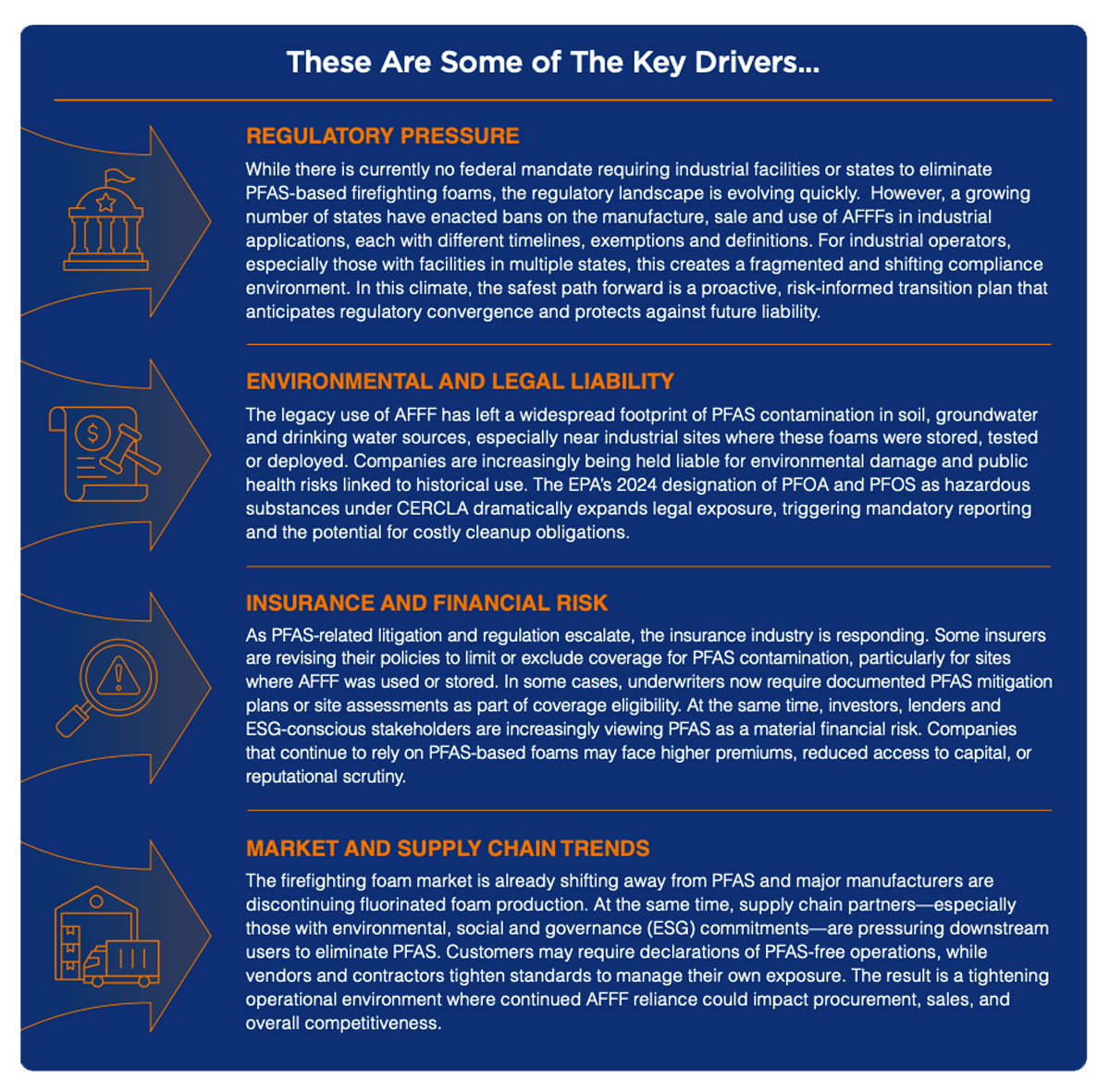
Here's why AFFF is being phased out.
4 Key Drivers for the AFFF Foam Phase-Out
Multiple forces are converging to accelerate the AFFF transition. For industrial facilities that depend on Class B firefighting foam, that means the risks of inaction are growing by the day. Understanding these drivers is essential for planning a strategic transition and maintaining resilience in the face of a changing risk landscape.
1. Regulatory Pressure
Across the country, a growing number of states have enacted restrictions or bans on the manufacture, sale and use of PFAS-based firefighting foams in industrial applications. While there’s no broad federal ban—yet—regulatory momentum is clearly moving toward the elimination of film forming foam (AFFF). Each state has its own timeline, exemptions and requirements, creating a fragmented compliance environment that’s difficult to navigate.
What this means for industrial operators:
Facilities operating in multiple states—or near sensitive receptors like water sources—must manage a patchwork of evolving laws. Compliance gaps can trigger enforcement actions, fines or even shutdowns.
How to address it:
A proactive, risk-informed compliance strategy is key. Operators should audit existing systems, track state-level legislation and begin transitioning to F3 foams where appropriate. Investing in long-term solutions now helps avoid rushed retrofits or non-compliance later.
Read our blog "A Risk-Based Approach to AFFF Transition" for more.
2. Environmental and Legal Liability
The legacy use of AFFF has left widespread contamination from PFAS compounds near sites where it was stored, tested or deployed, particularly around oil refineries, chemical plants and emergency response facilities. The EPA’s 2024 designation of PFOA and PFOS as hazardous materials under CERCLA has dramatically expanded the potential for liability, triggering mandatory reporting and cleanup obligations.
What this means for industrial operators:
Companies may be held accountable for hazardous waste left behind by outdated fire extinguishing systems. Litigation risk is rising, and the costs of remediation can be substantial, especially when drinking water or public health is affected.
How to address it:
Begin by identifying and quantifying PFAS risks across sites. Develop a plan to remove AFFF and safely manage waste and rinse water. Work with environmental experts to reduce exposure and implement best practices to meet local and federal standards.
3. Insurance and Financial Risk
As awareness of PFAS-related health risks grows, insurers are reassessing coverage for facilities that use or store Class B firefighting foam. In many cases, underwriters are excluding PFAS liability, raising premiums or requiring documentation of AFFF change-out efforts. At the same time, investors and lenders are factoring health and safety and ESG concerns into capital decisions.
What this means for industrial operators:
Failure to act may result in higher insurance costs, limited access to capital or reputational damage. Financial stakeholders are increasingly viewing PFAS as a material risk and expect companies to take appropriate action.
How to address it:
Document your AFFF foam phase-out plan, including risk assessments, system upgrades, and a timeline for replacing AFFF with fluorine-free firefighting foams. Aligning with ESG priorities can protect access to funding and reduce financial exposure.
4. Market and Supply Chain Trends
The market for Class B firefighting foams is shifting fast. Major manufacturers are already winding down production of PFAS-based products, and supply chain partners—including contractors, vendors and customers—are pushing for PFAS-free declarations. In many cases, companies that rely on Class B foam risk falling behind.
What this means for industrial operators:
Delaying the transition could lead to procurement challenges, reduced product availability and disruptions in emergency response readiness. It may also impact sales and partnerships with organizations committed to sustainable sourcing.
How to address it:
Start sourcing and testing PFAS-free foam options now. Understand compatibility requirements, system constraints and performance metrics for fighting fuel fires with fluorine-free alternatives to AFFF. Early action reduces operational risk and positions your facility as a leader in health and safety compliance.

A Smarter Way to Phase Out AFFF
The transition away from AFFF is complex, but you don’t have to navigate it alone. Battelle offers end-to-end support for industrial facilities facing the challenges of the firefighting foam phase-out. With deep expertise in PFAS science, environmental risk and regulatory strategy, we deliver tailored, risk-based solutions that align with your infrastructure, operations and ESG goals.
Battelle offers a technology-neutral, manufacturer-agnostic approach to class B foam phase-out. From system assessments to final rinse and waste disposal, we manage every step of the process, so you can stay focused on safety, compliance and long-term resilience.
Ready to plan your AFFF phase-out?
Contact the PFAS experts at Battelle to start building your transition roadmap, and be sure to download the full whitepaper to learn more: Navigating the AFFF Phase-Out.
Related Blogs


PFAS in Semiconductor Manufacturing: Why “Forever Chemicals” Are Becoming a Strategic Challenge
Read More




-blog-hero.jpg?sfvrsn=963fba16_1)
BATTELLE UPDATES
Receive updates from Battelle for an all-access pass to the incredible work of Battelle researchers.