6 Top AFFF Replacement Challenges (And How to Solve Them)
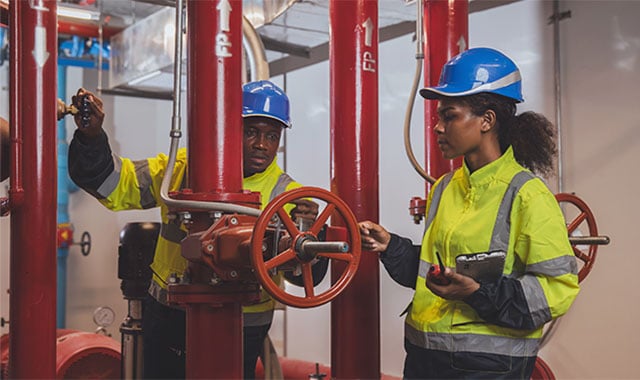
-blog-hero.jpg?sfvrsn=963fba16_1)
Phasing out aqueous film-forming foam (AFFF) isn’t just a matter of switching products. As industrial facilities transition to fluorine-free foam (F3), they face a range of unexpected obstacles, from system incompatibilities to unclear regulations. The shift from AFFF to PFAS-free firefighting foam demands careful planning, technical expertise and long-term risk management.
Below are six of the most common challenges industrial operators encounter during AFFF foam replacement—and proven strategies to help overcome them.
The Push for AFFF Replacement
Aqueous film-forming foam (AFFF) has long been a go-to solution for suppressing Class B fires involving flammable liquids and vapors. Its unique properties—fast spread, vapor sealing and high heat resistance—made it a trusted tool in fire protection systems for fuel fires and high-risk industrial settings. But those same properties stem from polyfluoroalkyl substances (PFAS), which are now linked to serious environmental and human health hazards, resulting in significant long-term liability concerns.
Faced with mounting regulatory, financial and reputational risks, many industrial operators are moving to replace AFFF with safer fluorine-free alternatives. However, Class B foam replacement isn’t as straightforward as choosing a new product. Transitioning to PFAS-free foam involves complex environmental, technical and operational challenges, from system compatibility and rinse water disposal to hazardous waste handling and personnel training.
Are you ready for the AFFF phase-out? Read this Battelle blog to learn more.
Each step in the firefighting foam replacement process carries its own risks, and missteps can lead to compliance failures, costly delays or unintended consequences. Understanding the most common challenges upfront is key to building a safer, more effective transition from AFFF.
6 Top Challenges in AFFF Replacement
Class B firefighting foam replacement is a complex process that touches nearly every aspect of facility operations. From system performance to waste disposal, here are six of the most pressing challenges industrial operators face when replacing Class B firefighting foam, and how to address them effectively.
1. Lack of Clear Regulatory Guidance
There is currently no federal standard for how to phase out AFFF or certify a fire extinguishing system as PFAS-free. Requirements vary widely across states and local jurisdictions, with little consistency in how rinse water, waste classification or system cleaning should be handled. Many operators are left to interpret patchy guidance and make high-stakes decisions without clear best practices.
What to do:
Stay ahead of regulatory shifts by monitoring evolving guidance at both the state and federal levels. Work with subject matter experts and environmental consultants to document your decision-making and ensure compliance with the most stringent applicable standards. A risk-informed strategy helps reduce uncertainty and avoid enforcement surprises.
2. System Contamination and Rebound Risk
PFAS chemicals in AFFF adhere strongly to internal surfaces such as pipes, tanks and valves and resist breakdown, even after thorough rinsing. This creates the risk of rebound contamination, where residual PFAS reappears weeks or months after initial cleaning, potentially triggering new environmental releases and liability.
What to do:
Use validated rinse protocols that include high-temperature water, multiple flushes and, where appropriate, chemical amendments to break PFAS bonds. Test rinse water and system samples over time to verify cleaning effectiveness. Consider complete system replacement in high-risk settings where rebound risk is unacceptable.
3. Infrastructure Compatibility
Fluorine-free foams (F3) often require different application pressures, nozzle configurations or discharge rates than AFFF. Many existing fire suppression systems were designed specifically for the unique performance characteristics of film-forming foam and may not perform as intended with newer formulations. Adding to the complexity, F3 products are not universally compatible with one another, which can complicate future replacements.
What to do:
Conduct a detailed engineering assessment of your system’s design, age and condition. Evaluate whether retrofitting is feasible or if full replacement is warranted. Select an F3 product that aligns with your specific fire protection needs and maintain strict product consistency to avoid incompatibility issues later.
4. Waste Handling and Environmental Risk
Spent AFFF, rinse water and contaminated components are typically classified as hazardous waste, but disposal pathways vary, and each comes with its own risks. Options like deep well injection, high-temperature incineration, landfilling or supercritical water oxidation (SCWO) differ in terms of cost, regulatory scrutiny and long-term liability. Mishandling or misclassification of waste can lead to fines, litigation and public backlash.
What to do:
Develop a waste management plan early in the replacement process. Partner with experienced vendors who understand PFAS waste regulations and offer disposal methods aligned with your facility’s risk tolerance and ESG goals. When possible, prioritize destruction technologies like SCWO to minimize long-term environmental exposure.
5. Training and Operational Readiness
Transitioning to F3 isn’t just a hardware issue—it changes how fires are fought. PFAS-free foams may require different application techniques, flow rates or equipment settings. If personnel aren’t trained appropriately, emergency response effectiveness can suffer. In many cases, standard operating procedures (SOPs), safety protocols and maintenance routines also need to be updated.
What to do:
Invest in hands-on training for all affected teams, from first responders to maintenance staff. Update documentation to reflect the properties and behavior of your selected F3 foam. Work with a fire protection engineer to ensure that drills, SOPs and inspection protocols align with the new system and materials.
6. Cost and Business Disruption
AFFF change-out carries significant costs—not just for the foam itself, but for system evaluations, retrofits, waste management and training. In some cases, system downtime during upgrades or testing can impact operations, revenue or operational readiness. While the long-term benefits are clear, short-term disruptions can create internal resistance or delay action.
What to do:
Take a phased, site-specific approach that prioritizes high-risk locations and aligns with operational cycles. Spread costs over time by bundling upgrades with scheduled maintenance and operational planning. Look for available funding or incentive programs, where applicable. Most importantly, work with an experienced partner who can help you identify the most cost-effective, risk-informed path. A strategic approach not only manages near-term costs but maximizes long-term value by reducing health and safety risks, regulatory exposure and insurance pressure.

AFFF Replacement Is Complex. Battelle Is Here to Help.
Replacing AFFF foam is one of the most challenging steps in managing PFAS risk. Between regulatory gaps, rebound contamination, and operational disruption, the process demands careful planning and deep technical expertise. There’s no one-size-fits-all solution for AFFF transition: every facility has different infrastructure, fire protection needs, operational priorities and regulatory constraints. A successful transition requires a tailored approach that aligns with your specific system design, compliance obligations and long-term goals.
Battelle helps industrial facilities navigate the transition with confidence. Our team brings decades of experience in PFAS science, environmental compliance and system integration. We design technology-agnostic solutions tailored to your infrastructure, risk tolerance, operational priorities and goals. We work with you to:
- Build site-specific plans tailored to your infrastructure, timeline and risk profile.
- Evaluate system compatibility and cleaning needs to reduce rebound risk.
- Select the right fluorine-free foam and disposal path based on your goals.
- Coordinate every detail across vendors, sites and stakeholders, so nothing gets missed.
Ready to plan your transition from AFFF?
Contact the PFAS experts at Battelle to build your roadmap, and be sure to download the full white paper: Navigating the AFFF Phase-Out.
Related Blogs


PFAS in Semiconductor Manufacturing: Why “Forever Chemicals” Are Becoming a Strategic Challenge
Read More


BATTELLE UPDATES
Receive updates from Battelle for an all-access pass to the incredible work of Battelle researchers.