Prevent and Prepare: Investing in the Human System
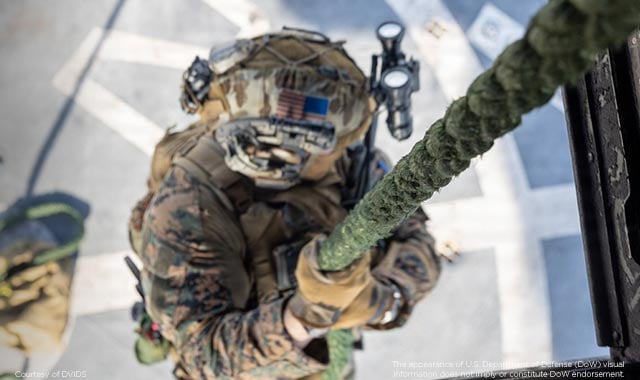
Special Operations Forces (SOF) overmatch isn't created at the point of contact. It's engineered years earlier.
The operators who prevail under pressure are the ones who've been built for it: physically durable, cognitively sharp, psychologically grounded, and supported by resilient families. These qualities don't emerge under fire. They're developed deliberately, over time, through sustained investment in people.
This is what "prevent and prepare" means within SOCOM's human performance framework: proactive investment in operator wellness and performance before crisis, injury or burnout. This strategic and holistic investment in the “human weapon system” ensures operators and families can thrive across a career, not just survive the next deployment.
Left of Crisis: From Reactive Care to Proactive Readiness
Operators are, first of all, humans—humans facing extraordinary pressures. Even the strongest and best-prepared can find themselves in crisis: an accumulation of daily stressors, an unexpected loss, the long tail of combat strain. And human systems degrade silently. High-functioning operators are often the last to recognize they're approaching a breaking point. The same drive and discipline that make them exceptional can mask the warning signs until it's too late.
The traditional approach to force health has been reactive: respond to injury, address burnout, intervene in family strain after it surfaces. U.S. Special Operations Command (SOCOM)’s Preservation of the Force and Family (POTFF) initiative takes a different approach, investing upstream before problems become crises.
Prevent and Prepare are the first two pillars of POTFF's four-part framework for sustaining force readiness. They represent the proactive elements of the model, focused on building capacity and identifying risk early. (We'll explore the remaining pillars, Prevail and Preserve, in our next article.)
Each pillar plays a distinct role:
- Prepare builds the capacity to withstand stress before operators face it. Training that develops not just tactical skill, but psychological resilience, cognitive durability and strong family foundations ensures SOF can meet the demands of complex, high-tempo operations across entire careers.
- Prevent builds the capacity to detect risk before it degrades performance. Early identification of physical, cognitive or emotional strain allows intervention before problems cascade into injury, burnout or attrition—with operators as active partners , not passive recipients of care.
Together, they shift the model from reactive care to proactive readiness.
This is strategic investment, not wellness programming. It protects the one advantage adversaries cannot rapidly replicate: experienced operators capable of sustained, high-consequence performance. And it reframes readiness as a career-long endeavor, preserving cumulative capability across decades rather than a single deployment cycle. Done well, this approach doesn't just sustain the force. It helps operators and families thrive, within SOF life and beyond it.
Building Durability Across the Domains
The prevent-and-prepare approach applies across all five domains of the human system. Each domain contributes to readiness, and strain in one inevitably affects the others. Building durability means investing in each before it's tested. Critically, this approach empowers operators as partners in their own readiness: not as problems to be fixed, but as professionals supported by coaches and mentors to grow and strengthen over time.
- Physical: Injury prevention is a force multiplier. Load management, movement quality, recovery protocols and sleep optimization protect operators from the cumulative wear that ends careers early. Strength and conditioning programs tailored to operational demands, combined with proactive physical therapy and nutrition support, keep operators in the fight longer. The goal is not just fitness for today but durability over a lifetime of service.
- Psychological: Stress tolerance and coping capacity can be developed before operators face the hardest demands. This includes training in emotional regulation, exposure to controlled stressors and building habits that support mental health over time. Embedding psychological support throughout the lifecycle, not just after crisis, builds the emotional resilience that sustains performance under pressure. Part of that preparation is building emotional awareness and giving operators the language to identify and address what they're experiencing, so challenges can be met constructively rather than ignored.
- Cognitive: Cognitive readiness is trainable, but it's also degradable. Building baseline capacity through neurocognitive training, decision-making simulations and attention management prepares operators for the complex, information-dense environments they'll face. Monitoring for early signs of degradation, whether from sleep loss, stress or cumulative load, helps protect the mental edge that modern operations demand.
- Social/Family: The final F in POTFF is structural, not ancillary. Resilient families are built through sustained investment in communication skills, relationship resources and community connection. Programs that support spouses and children, as well as operators, create a stronger base at home and help to ensure that the stresses of SOF work do not spill over into family life. Supporting families proactively strengthens the foundation that enables long-term operator effectiveness.
- Spiritual: Purpose, identity and moral grounding can be cultivated before operators face missions that test them. This includes opportunities for reflection, access to chaplains and counselors, and honest conversation about the ethical weight of SOF work. Building this foundation early helps operators navigate ambiguity, loss and ethical complexity without losing their footing.
An Integrated Approach to Human Performance
Prevention works best when it crosses domain boundaries. An operator showing signs of cognitive fatigue may also be struggling with sleep, stress at home or a loss of purpose. Catching that signal early, and responding across domains rather than in isolation, is what separates proactive care from reactive intervention.
This requires embedded professionals who work together, share information and coordinate support rather than operating in silos. It also requires a shift in thinking: from treating problems after they emerge to identifying risk factors before they lead to degradation.
Battelle's approach to human performance reflects this integrated model. By bringing scientific rigor, data analytics and cross-domain expertise to the professionals already doing this work, we help strengthen what's working and close the gaps that put operators and families at risk.
The work of prevention is quiet. It doesn't make headlines. But it's where readiness is built and where careers are sustained. The next generation of human performance support will be defined by those who can identify risk before it becomes crisis and intervene in time to make a difference.
Ready to learn more? Explore Battelle's human health and performance capabilities.
Up next: Prevail and Preserve—How SOF sustains performance in the fight and protects the force and families across careers and beyond service.
Featured Expert
Alison Messick
DIRECTOR OF WARFIGHTER READINESS AND RESILIENCE
Alison Messick serves as the Director of Warfighter Readiness and Resilience, leading enterprise-wide initiatives that strengthen the readiness and resilience of U.S. Special Operations Forces and other military teams. A former U.S. Marine and nationally recognized leader in military health and family systems, Alison brings more than 25 years of experience in advancing human performance, behavioral health, and family engagement. Her work drives innovation and integration across large-scale programs to ensure service members and their families remain mission-ready, resilient, and supported.
Related Blogs




BATTELLE UPDATES
Receive updates from Battelle for an all-access pass to the incredible work of Battelle researchers.