The site navigation utilizes arrow, enter, escape, and space bar key commands. Left and right arrows move across top level links and expand / close menus in sub levels. Up and Down arrows will open main level menus and toggle through sub tier links. Enter and space open menus and escape closes them as well. Tab will move on to the next part of the site rather than go through menu items.
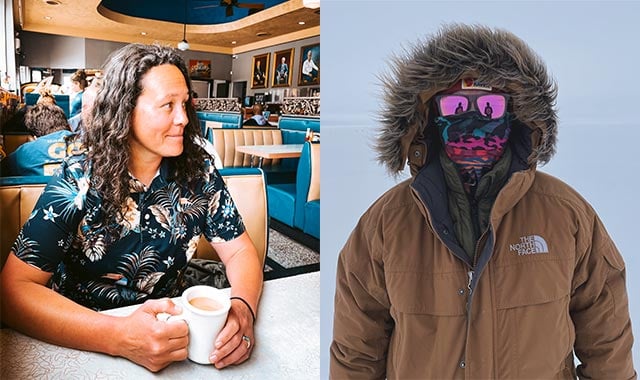
Learn how Battelle Solver Bevin Luna's behind the scenes work on health and safety ensures that scientific exploration thrives in Battelle's Arctic Research Operations.
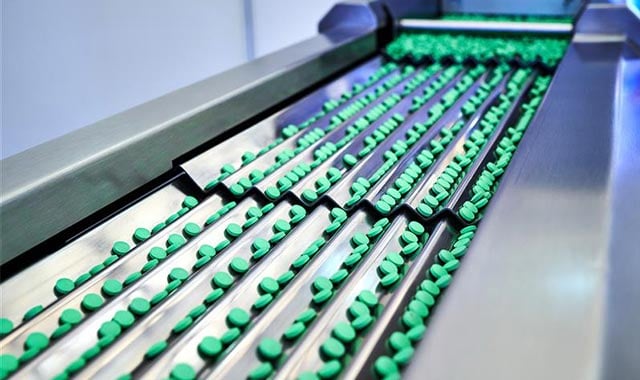
As demand grows for personalized therapies, faster development timelines and more resilient supply chains, manufacturers are under pressure to rethink how drugs are made and embrace a more agile approach to production.
In the rapidly evolving landscape of defense technology, the adoption of Open Radio Access Networks (Open RAN) presents a significant opportunity for enhancing warfighter success.
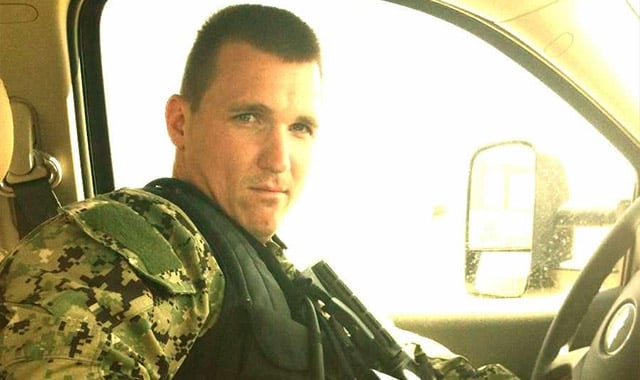
Learn more about Navy veteran James Wilson's journey through Battelle's SkillBridge program and how the expertise he earned in the military were able to translate to the civilian workforce.
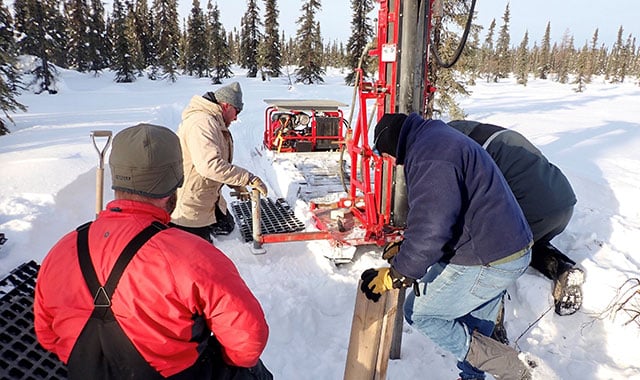
The Arctic’s growing strategic and scientific importance has increased military and research activity, bringing forth new hazards. Proactively identifying these hazards is essential for effective risk mitigation. Battelle is developing methods to improve safety and success across the region.
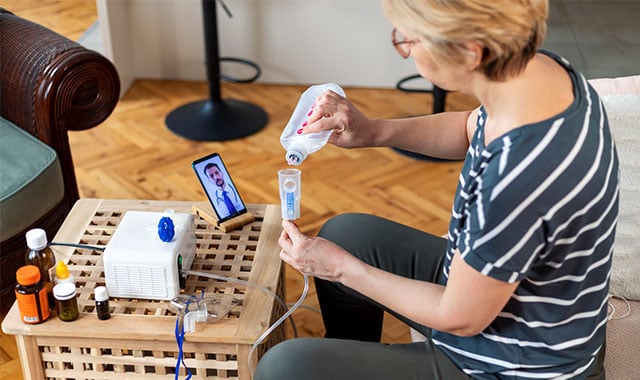
The future of healthcare is evolving, and its headed straight to our doorsteps. The hospital-at-home movement is redefining how patients receive medical care, bringing hospital-level treatment directly to patients’ homes.
Hear about SkillBridge intern and Air Force veteran, Miqueias Bezerra's experience at Battelle and how the program helped him translate his military experience into a civilian career.
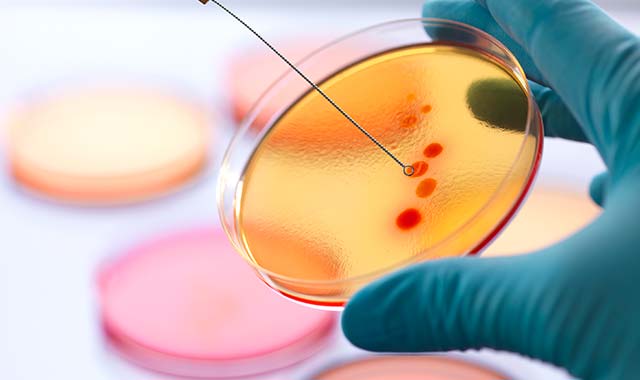
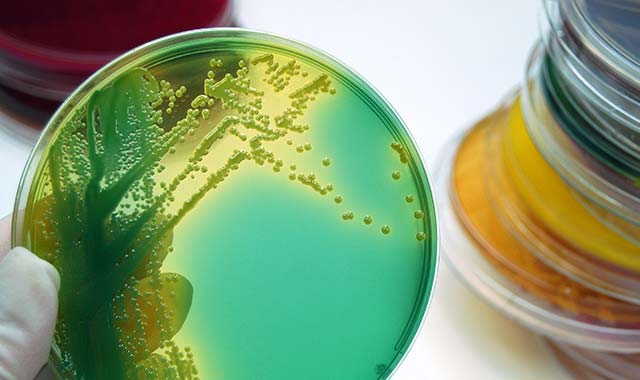
While some microbial formulations can be adapted for both foliar and seed treatment applications, the specific requirements for each differ significantly.
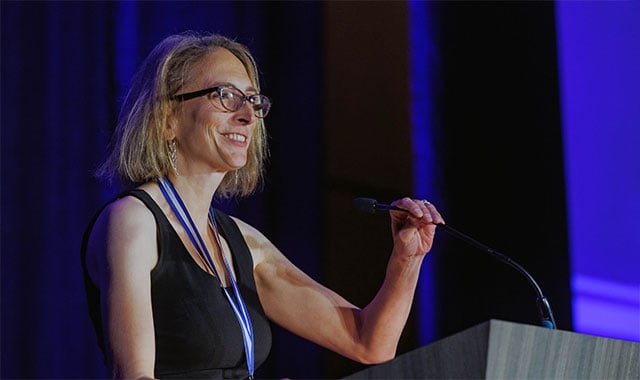
For over 20 years, Battelle Fellow Amy Heintz has been accelerating innovation, creativity, quality and integrity across Battelle. Keep reading to see Amy's resonant impact on applied science - from early beginnings in the field of chemistry, to fostering scientific development today through future-facing invention and mentorship.
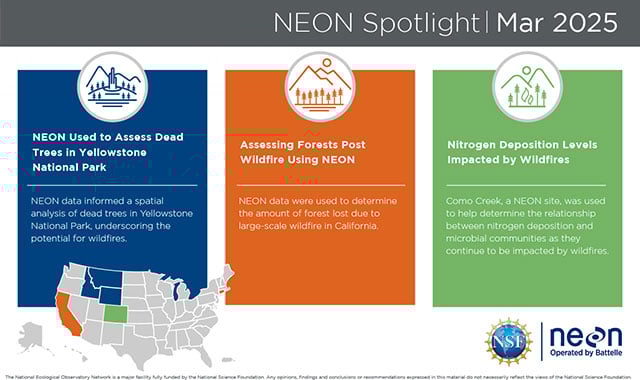
This month, we are highlighting three examples of research either impacted by or leveraging NEON data to research wildfires. You can read more on NEON’s contribution assessing dead trees in Yellowstone National Park, loss of forest in California and nitrogen deposition below.
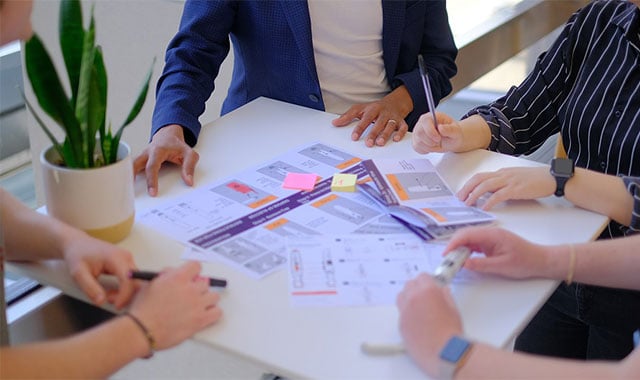
Ensuring that products are safe, effective, and user-friendly when designing medical devices is crucial. Human-centered design (HCD) offers a framework for achieving these goals by placing the user at the center of the development process.
Explore the 4 categories of carbon dioxide injection wells, their purposes, the data they collect and why this data is critical for successful carbon capture and storage (CCS).
The agricultural sector is undergoing a significant transformation that has catalyzed a surge of interest in alternatives to conventional chemical pesticides, with biological formulations emerging as a promising, nature-inspired approach to crop protection.
What you need to know about addressing PFAS in biosolids and sludge – including key definitions, risk sources, stakeholder–specific guidance, taking action and how Battelle can help.
Selecting the right partner to drill carbon sequestration wells is critical to mitigate risk, reduce cost, ensure compliance and drive long-term CCS project success. Here's 4 things to look for when evaluating service providers.
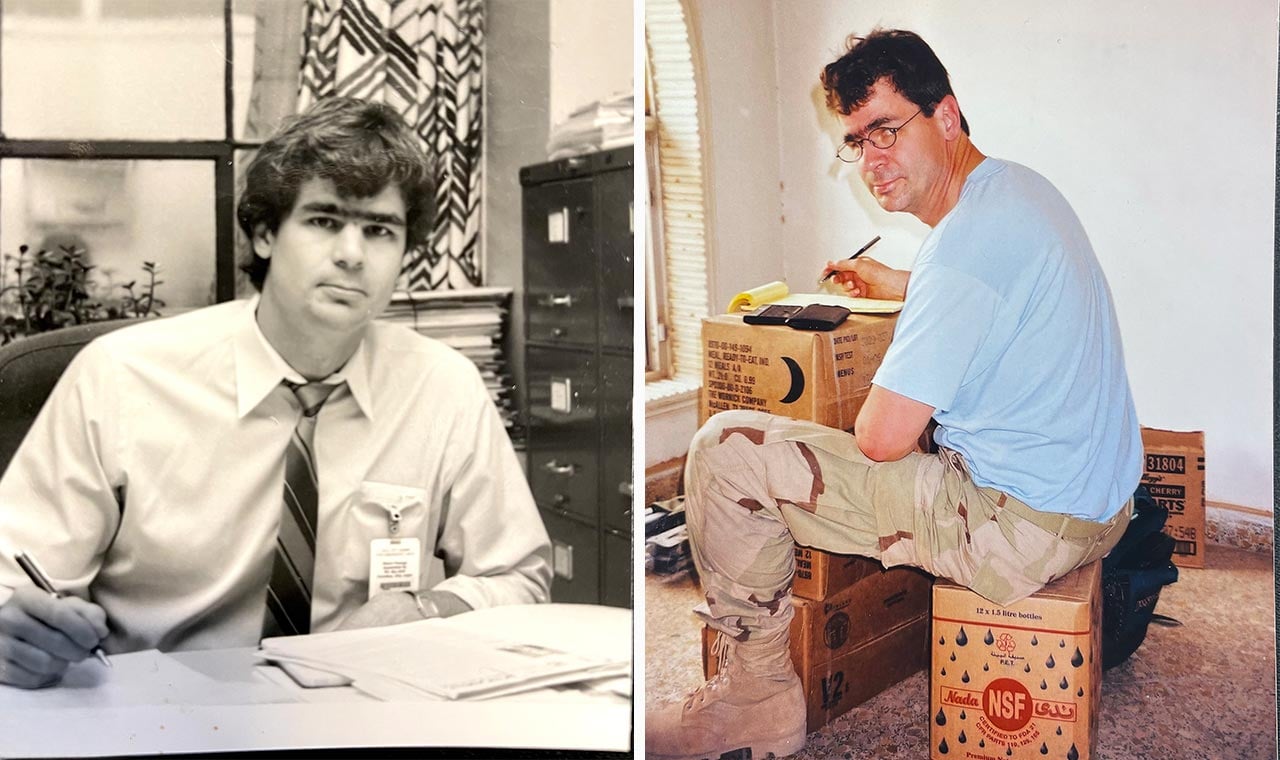
Battelle’s Chief Scientist Mike Kuhlman personifies success at the world’s largest independent research organization—he started at the scientific entry level, leveraged his education to contribute to important projects of the day, then learned and grew not only with the company, but with the country.
Medical devices are becoming increasingly complex. Implementing systems engineering principles into the medical device design process ensures that all components work together seamlessly to create safe, reliable and effective products.
We use cookies to personalize content and ads, to provide social media features and to analyze our traffic. We also share information about your use of our site with our social media, advertising and analytics partners. By continuing to browse our
site without changing your settings, you are agreeing to accept all cookies on the site.