The site navigation utilizes arrow, enter, escape, and space bar key commands. Left and right arrows move across top level links and expand / close menus in sub levels. Up and Down arrows will open main level menus and toggle through sub tier links. Enter and space open menus and escape closes them as well. Tab will move on to the next part of the site rather than go through menu items.
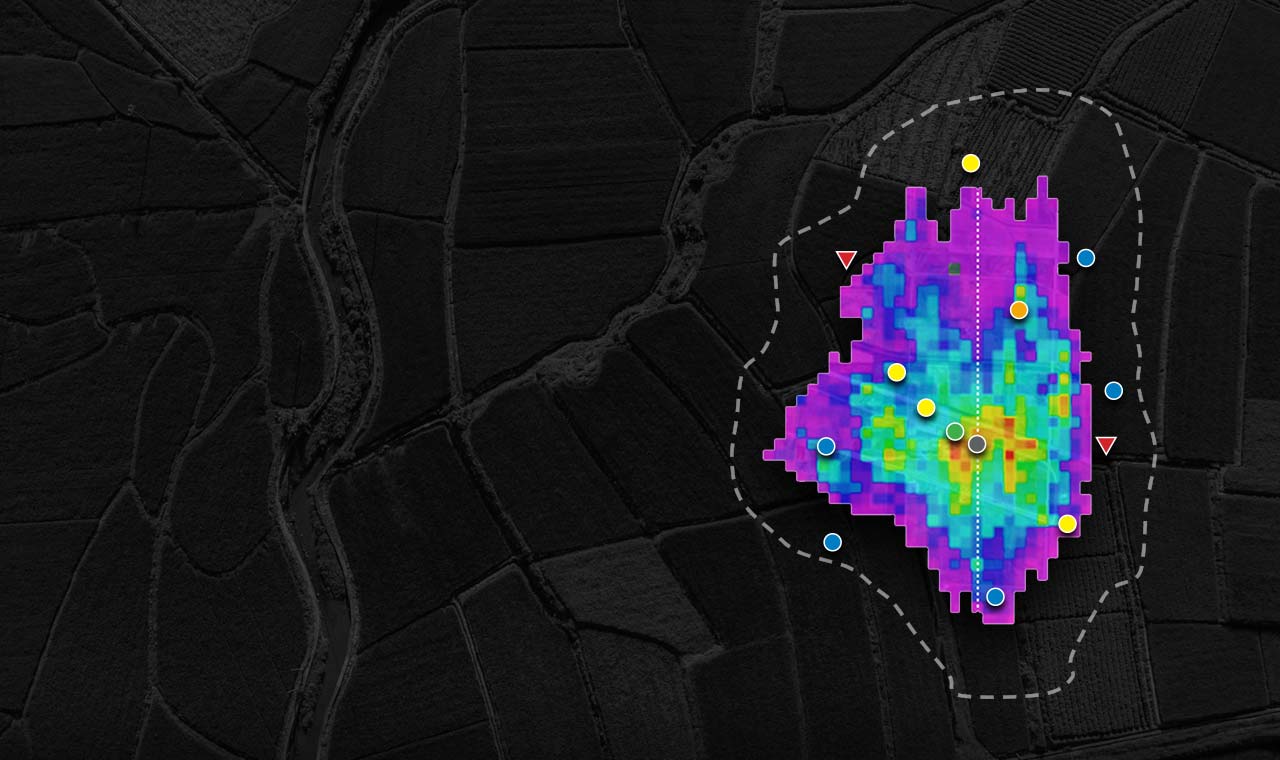
Monitoring carbon dioxide plume movement is critical to protecting drinking water and meeting long-term regulatory requirements at CCS sequestration sites. This blog explores seismic and alternative monitoring methods and how integrated approaches can deliver accurate, compliant, long-term oversight of CO₂ storage.
Neurotechnology is reaching a turning point, moving from breakthrough research to real‑world impact. In this conversation, Justin Sanchez explores how non‑invasive, wearable neurotech is reshaping rehabilitation, human‑machine interaction, and the future of restoring communication through the nervous system.
Despite growing awareness, PFAS misinformation and confusion still cloud the conversation. Let’s clear the air by busting some of the most common PFAS myths.
MedTech companies are buying their way to innovation. Pharma and biotech are building networks to share the load. Both are responding to the same forces—rising R&D costs, regulatory complexity and pressure to move faster with less—but the strategies couldn't look more different.
Nuclear energy is entering a new era as advanced fuels, next‑generation reactors and modern recycling approaches reshape what’s possible. In this conversation, Andy Griffith shares insights from a career spanning the Navy and DOE, highlighting how innovation, safety and real-world demand are driving the future of clean, reliable nuclear power.
A MedTech startup came to us with a promising wound-management concept, early IP and a working prototype. From their perspective, they had already solved the hardest problem. But as we dug in, a different reality emerged.
Smart, connected medical devices are transforming patient care—but they’re also creating new protected health information (PHI) exposure points at every turn.
There's a moment when preparation meets reality. Training is over. The environment is live. And operators must perform. What happens then—and what happens after—determines whether readiness translates into results, and whether the force can sustain that performance over time.
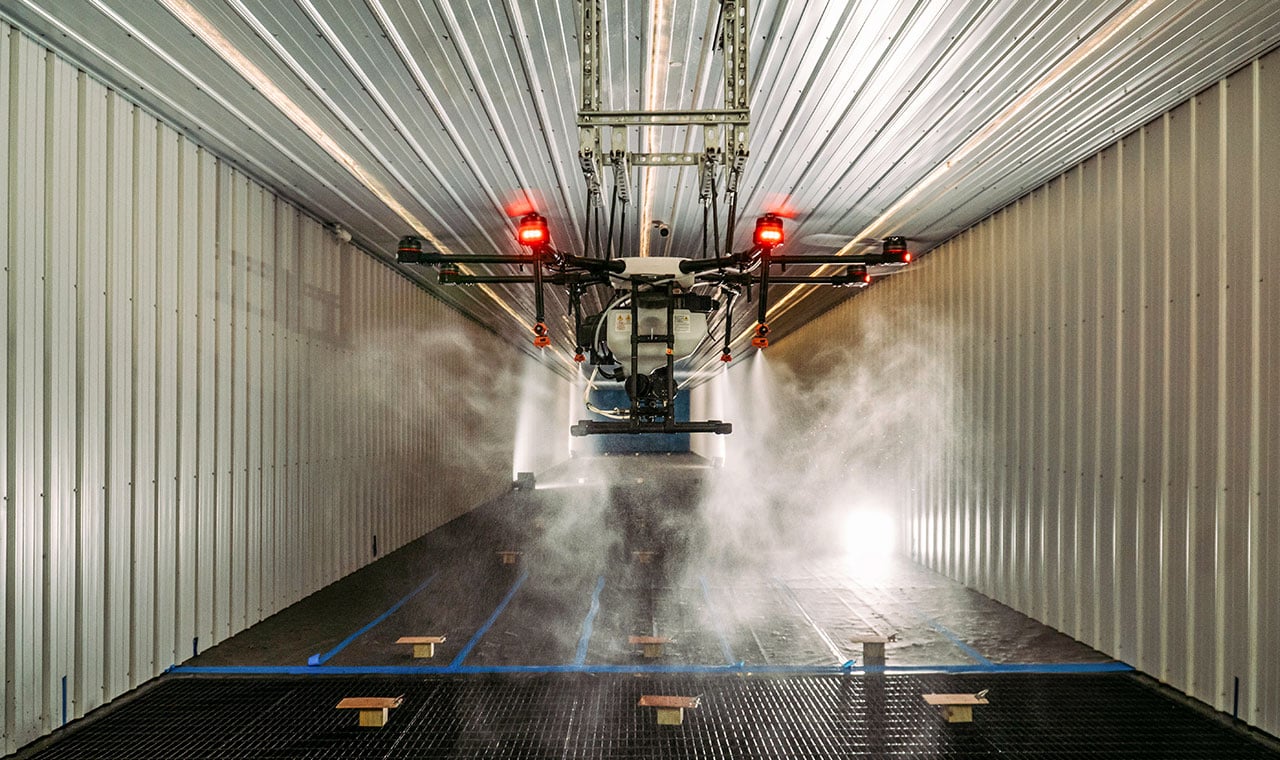
Wind tunnel technology is transforming spray drift testing by providing precise, repeatable assessments that overcome the limitations of field trials. A modern, tiered approach, combining lab methods, modeling and controlled wind tunnel studies, offers faster, more reliable insights to support safer, more effective crop protection.
Protected health information (PHI) might sound like something that only hospitals or insurers worry about, but for today’s connected medical devices, it’s central to how the technology works.
Special Operations Forces (SOF) operators face demands that few outside the community can fully understand. Physical fitness alone can’t ensure operational readiness. Sustaining operators and their families across a career requires looking at the complete picture.
The most important technology in Special Operations Forces (SOF) isn't a platform, a weapon or a piece of kit. It's the operator. In this blog, see how this core message has significant implications for how we think about readiness, resilience and the future of force modernization.
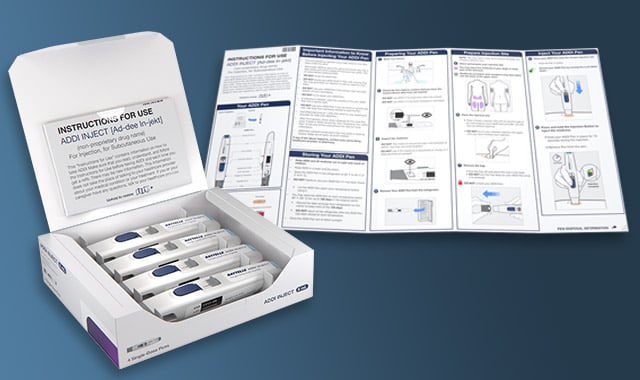
What if the same agile methods that revolutionized software development could make medical device instructions safer and easier to use? In an industry where usability and compliance go hand in hand, that’s more than an intriguing idea.
For the past seven years, Battelle has supported Alaska Resource Education (ARE) and the Kenai Peninsula Borough School District’s College & Career Readiness initiatives, reaching thousands of students through immersive career exploration programs.
The UK’s new Genetic Technology (Precision Breeding) Regulations 2025 create a streamlined pathway for precision-bred crops, enabling faster innovation while maintaining oversight. These changes open strategic opportunities for agribusinesses to accelerate product development and adapt to a shifting compliance landscape.
Expanding your Method 1633 analysis to include ultrashort-chain PFAS is more than a technical enhancement; it’s a strategic move. In this blog, learn how these smaller molecules can yield deeper insights into chemical behavior, contamination sources, treatment effectiveness and more.
Genomics, bioinformatics, and AI are reshaping crop protection—enabling safer, sustainable biological solutions that meet the demands of modern agriculture.
Medical device packaging is often treated as an afterthought. But in medical device development, packaging is far more than a container. It’s the first point of contact between a user and the product, setting expectations for how that device will be handled, opened and used.
We use cookies to personalize content and ads, to provide social media features and to analyze our traffic. We also share information about your use of our site with our social media, advertising and analytics partners. By continuing to browse our
site without changing your settings, you are agreeing to accept all cookies on the site.