The site navigation utilizes arrow, enter, escape, and space bar key commands. Left and right arrows move across top level links and expand / close menus in sub levels. Up and Down arrows will open main level menus and toggle through sub tier links. Enter and space open menus and escape closes them as well. Tab will move on to the next part of the site rather than go through menu items.
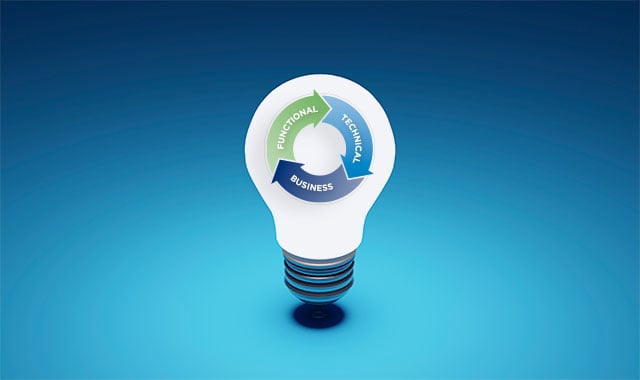
Ensuring medical devices are innovative, safe, reliable, and industry-compliant is essential. Systems engineering provides a strategic framework to achieve these goals by integrating disciplines and managing the complexities of device design.
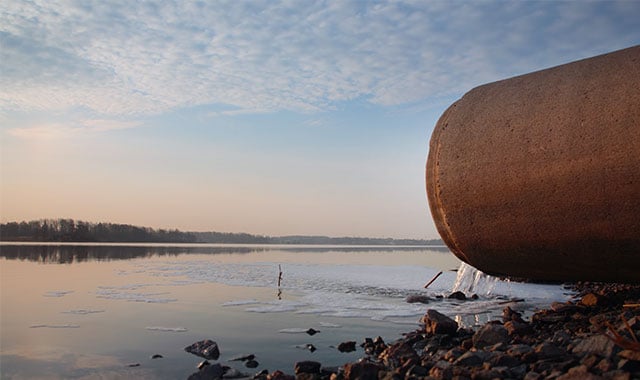
As companies face mounting pressure from both regulators and the public to address PFAS risks, Battelle has developed a comprehensive framework to help businesses confidently understand, quantify and manage PFAS risk.
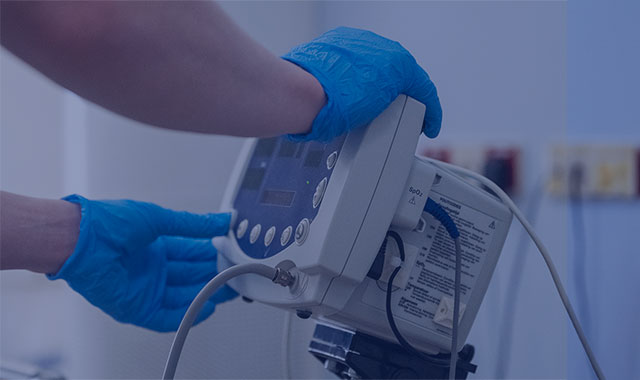
In this Q&A, we explore the evolution of AI in medical device development, Battelle's pioneering role in this journey, and how to responsibly advance innovation in the "AI Age."
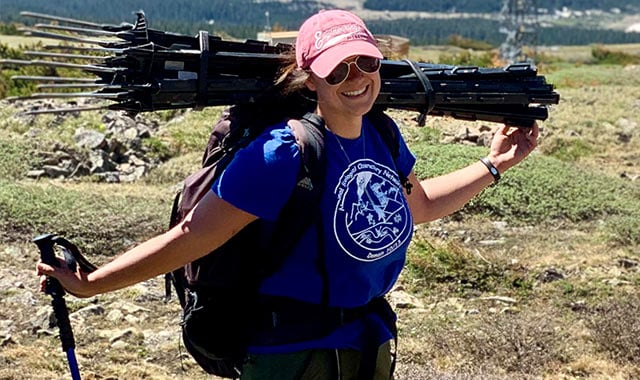
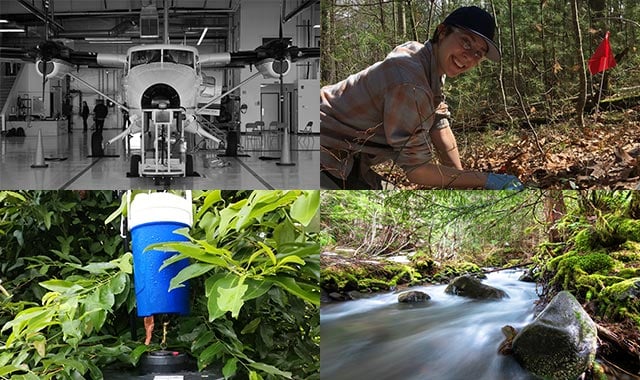
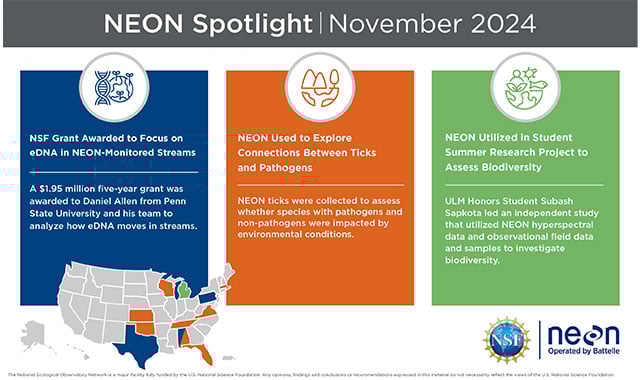
2024 was yet another impressive year for NEON in terms of both the breadth and scale of research that it has enabled. As we turn the calendar to 2025, here’s a look back at some of the most exciting research and news involving the NEON program last year.
The persistence of PFAS in the environment and potential health risks have led to regulatory actions affecting the medical device industry. In this blog, learn key PFAS details and how to address PFAS challenges for medical device companies.
Managing PFAS risk is no longer optional—it’s essential. In this blog, learn the 5 main categories of PFAS risk and key management tactics used to address them.
Determining the full extent of PFAS risk can be challenging, especially for organizations that don't have in-house PFAS expertise. In this blog, see 3 key questions to ask to get started with PFAS risk assessment.
It was quite a year for Battelle’s philanthropic and STEM education efforts. Read more about all of Battelle's 2024 initiatives to enhance STEM education.
Companies are exposed to many sources of PFAS risk—even if they are not deliberately using PFAS in products or processes. Understanding these hidden PFAS sources is critical to protect workers, consumers, the environment and the bottom line.
While oil and gas drilling has been a staple of the energy industry for decades, sequestration well drilling for CCS is a relatively new frontier. In this blog, learn the key differences between the two, and why it matters.
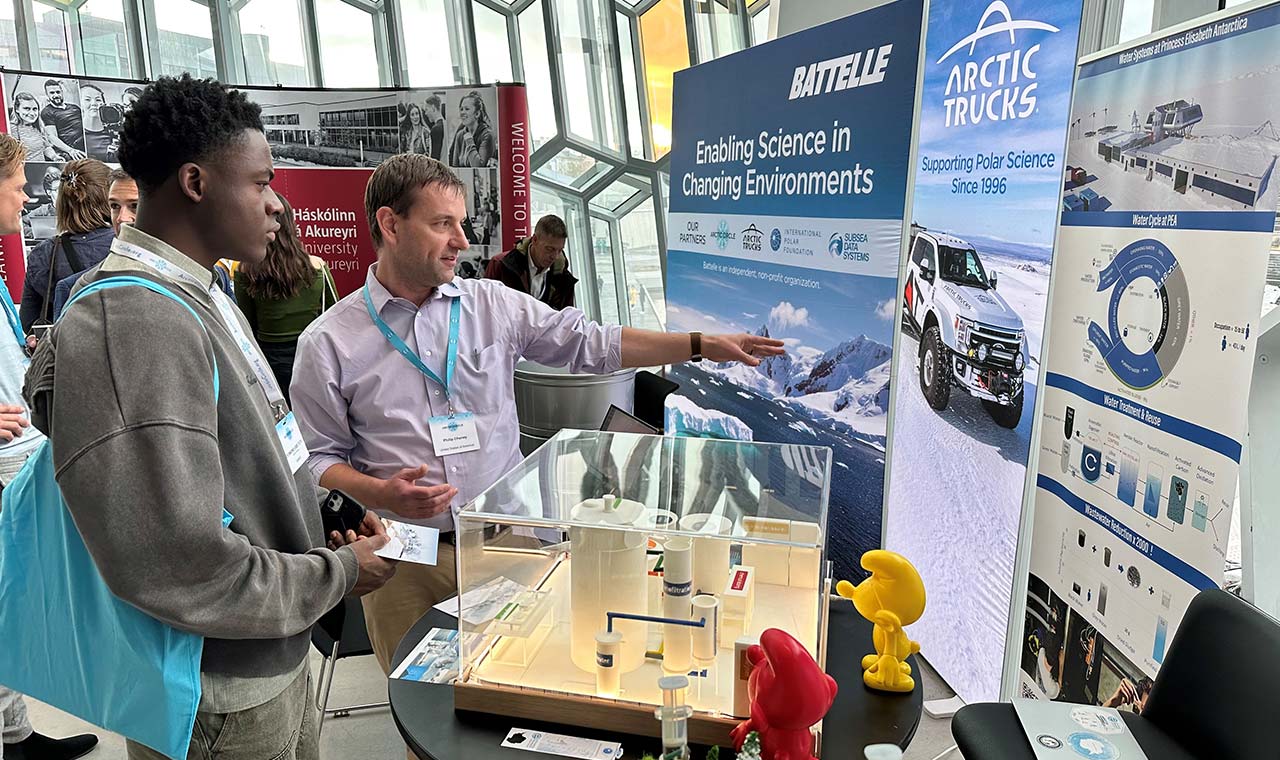
A group of Battelle Solvers attended the 2024 Arctic Circle Assembly in Reykjavík, Iceland in October. This event highlighted the critical issues facing the Arctic region, from environmental to technological challenges.
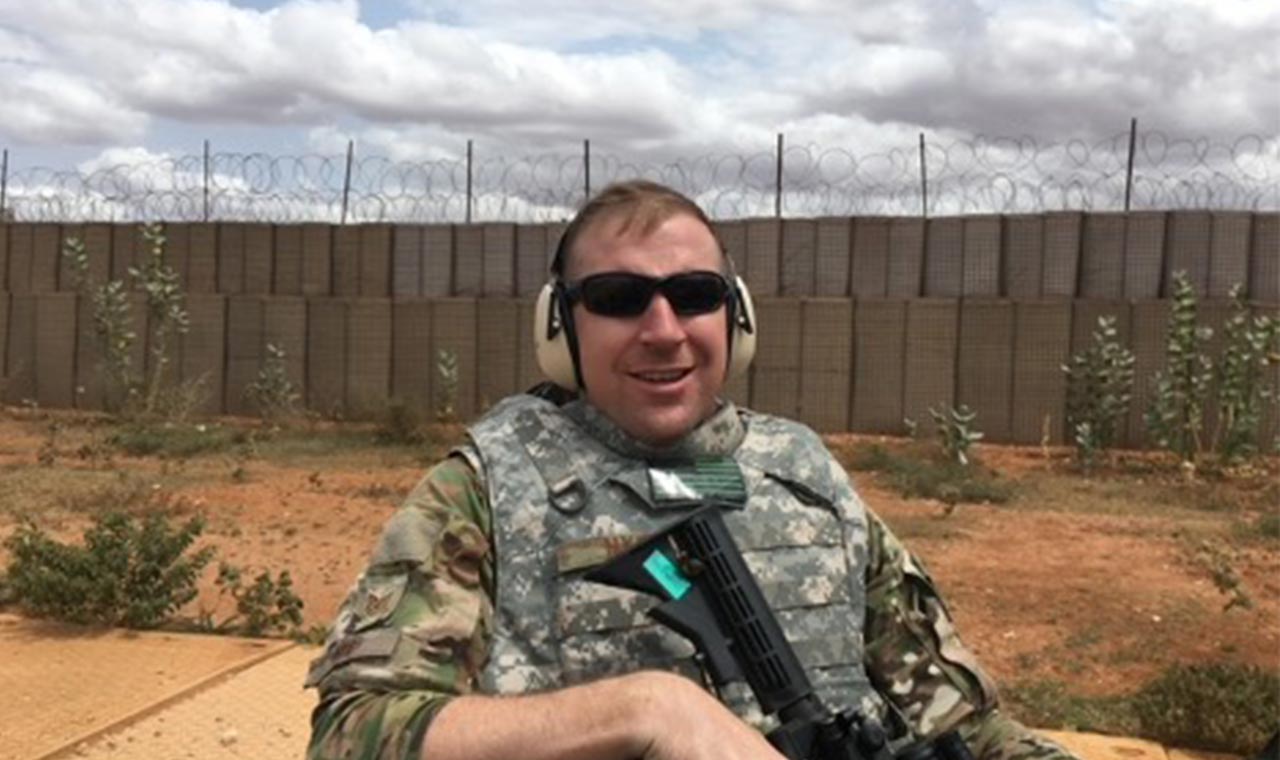
Retired US Air Force Veteran Ryan Nye joined Battelle as a SkillBridge intern and has since transitioned to a full-time role within our organization. Learn more about his journey and the impact of SkillBridge on his post-military life.
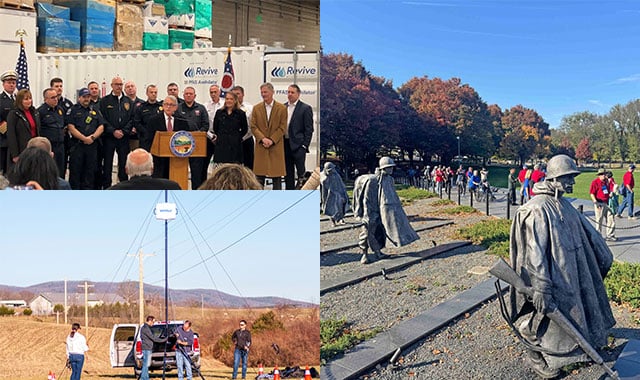
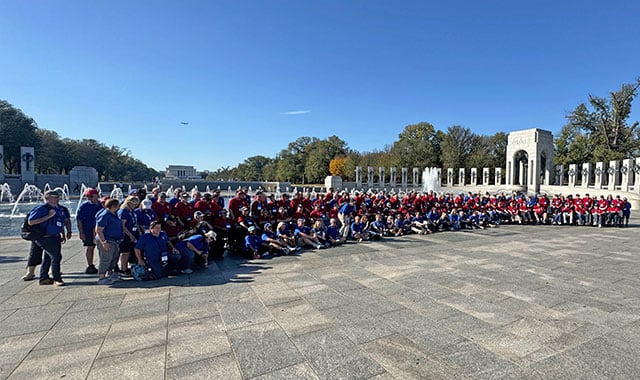
87 veterans, along with numerous guardians and support staff boarded a chartered flight to Washington D.C. for the Battelle-sponsored Honor Flight Columbus Mission 137.
Battelle Technical Fellow Justin Sanchez, Ph.D. addresses current conversations about generative AI and highlights the fundamental difference between the digital and physical worlds, noting that humans are inherently tied to the physical due to our biological nature.
Environmental fate studies are crucial for assessing the behavior and impact of various chemicals in the environment. These studies often involve the use of radiolabeled or non-radiolabeled compounds to track their distribution, transformation, and degradation.
We use cookies to personalize content and ads, to provide social media features and to analyze our traffic. We also share information about your use of our site with our social media, advertising and analytics partners. By continuing to browse our
site without changing your settings, you are agreeing to accept all cookies on the site.