The site navigation utilizes arrow, enter, escape, and space bar key commands. Left and right arrows move across top level links and expand / close menus in sub levels. Up and Down arrows will open main level menus and toggle through sub tier links. Enter and space open menus and escape closes them as well. Tab will move on to the next part of the site rather than go through menu items.
On November 6, 2025, 78 veterans from the Korean War, Vietnam War, and Persian Gulf and post-9/11 conflicts embarked on a powerful journey to Washington, D.C. as part of Honor Flight Columbus Mission 147, proudly sponsored by Battelle.
With EU biopesticide reform approaching, agrochemical companies should act now to align portfolios, streamline dossiers, and engage with regulators, positioning themselves to lead in the future of sustainable crop protection.
Explore our eight proposed EU legislative reforms that could accelerate biocontrol innovation by streamlining approvals, reducing costs, and enabling faster market access paving the way for a more sustainable future in European agriculture.
Learn how forward-thinking data center project developers can leverage CCS hubs to support long-term sustainability goals and potentially generate profit at the same time.
The EU’s new Fertilising Products Regulation (FPR) creates exciting opportunities for biostimulant innovation and market access, but challenges like limited microbial approvals and complex compliance requirements remain. Companies that adapt quickly and partner with regulatory experts are best positioned to lead in this evolving landscape.
The EU is striving for more sustainable farming, but outdated pesticide regulations are hindering the adoption of biocontrol technologies by treating biopesticides like chemical pesticides. Reforming EU legislation could unlock innovation and position Europe as a leader in sustainable farming.
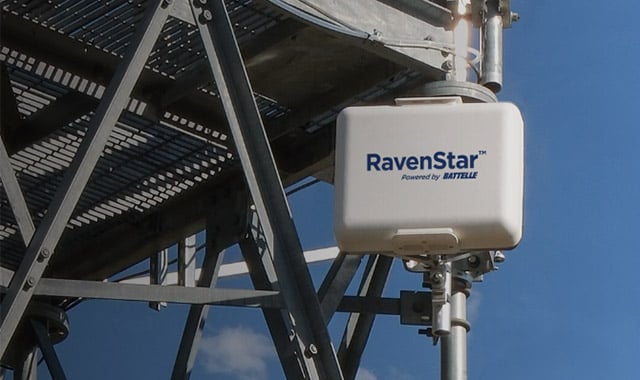
We sat down with Mark Reudink and Andrew Rosato to unpack their insights from FutureNet and explore how RavenStar fits into the future of the telecom industry.
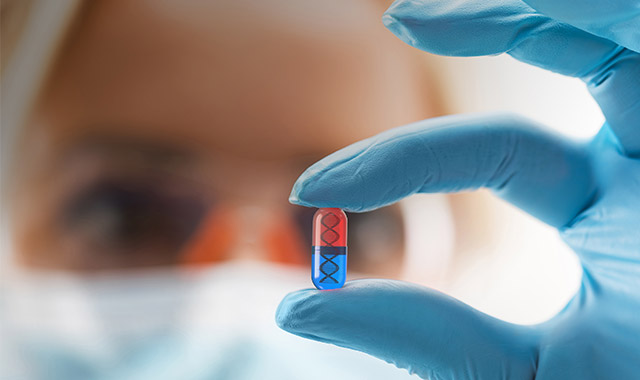
Researchers at Battelle are working to unlock the potential of polymeric nanoparticles (PNPs) to deliver safe, effective therapies for previously untreatable conditions. In this blog, we’ll cover some of the most frequently asked questions about gene therapy and this novel delivery vehicle technology.
Every new therapy, drug or gene-editing technique starts in the lab, with researchers trying to answer a complex question. Will it work? Is it safe? What could go wrong?Microphysiological systems (MPS) could help these researchers answer those question faster and more effectively.
Gene editing therapies are transforming the way complex genetic disorders are treated. The fast-growing field involves correcting or replacing defective genes to treat disease.
Today’s clinicians are being asked to do more with less time, less support, and, often, fewer resources. Learn how clinician assistive technologies are easing the load and improving patient outcomes.
Home health technology is transforming care, extending monitoring, treatment and support beyond hospital walls. But as medical devices become more connected, the need to protect them from cyber threats is rising fast. The real challenge? Making sure those protections don’t get in the way of the people who rely on them.
Learn more about Environmental Stewardship Manager Nathan Biletnikoff's journey from the ice fields of Antarctica to the leadership corridors of Los Alamos National Laboratory (LANL).
In hospitals across the country, life-saving medical devices hum along, year after year. Many of these machines have been trusted companions for more than a decade—reliable, familiar and, in some cases, irreplaceable. But beneath that reliability can lie hidden danger.
Battelle has developed a new polymer nanoparticle (PNP) delivery system that can target specific cell types, such as neuronal cells. The work, which was recently recognized as the “Best Poster” at the Controlled Release Society 2024 Annual Meeting in Italy, could pave the way for safer, more effective gene therapies for genetic diseases.
Transitioning from AFFF is a complex undertaking that touches every aspect of your operation. Here's how to choose a foam transition partner that can help you navigate complex change-outs with confidence.
In AFFF transitions, every decision can impact liability, performance, cost or operations. See how a strategic, risk-informed approach can reduce environmental exposure, strengthen compliance, support long-term resilience and help industrial operators make smarter, more confident decisions.
In the fast-evolving world of agriculture, formulation innovation is no longer optional—it’s essential. Agrochemical companies are under pressure to deliver crop protection products that are not only effective but also sustainable, user-friendly and compliant with increasingly complex regulations.
We use cookies to personalize content and ads, to provide social media features and to analyze our traffic. We also share information about your use of our site with our social media, advertising and analytics partners. By continuing to browse our
site without changing your settings, you are agreeing to accept all cookies on the site.